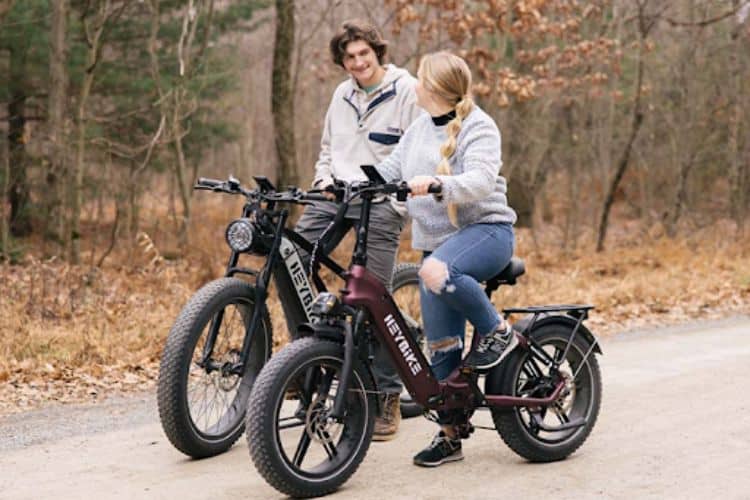
 More people are looking for ways to get around that are affordable, fast, and clean. Cities are becoming crowded. Gas prices are unpredictable. Public transportation doesn’t always take you exactly where you want to go. That’s why so many are now turning to e-bikes.
E-bikes offer a real solution to modern-day travel problems. They don’t rely on fuel, they take up little space, and they let people move quickly without dealing with traffic. Moreover, ebikes don’t just offer convenience—they promise sustainability. People want to do their part for the planet, and e-bikes make that easier.
This article explores how e-bikes are helping create a cleaner, more efficient way to move. We’ll look at what makes them a smart option, how they reduce car use, and the role they play in shaping sustainable cities.
What Makes E-Bikes a Greener Choice
E-bikes run on rechargeable batteries, not gas or diesel. This means they don’t release harmful emissions while in use. For someone who rides an e-bike instead of driving a car, that change can cut thousands of pounds of carbon dioxide each year.
Their small size also helps the environment. Building an e-bike requires far fewer materials than making a car. Charging an e-bike uses less electricity than running most household appliances for an hour. These bikes also create less wear and tear on roads, which reduces the need for maintenance and repairs.
Some models, like type 3 e-bikes, are made for longer commutes and higher speeds. Even though they have more powerful motors, they still use far less energy than any car or motorcycle. This makes them a greener option for people who want faster travel without harming the planet.
Because of all this, e-bikes stand out as one of the most eco-friendly ways to travel short and mid-range distances. They don’t just reduce emissions—they limit the energy and resources needed to keep cities moving.
Replacing Car Trips With E-Bike Rides
Many people use cars for trips that are less than five miles. These short drives make up a large part of daily traffic, yet they burn more fuel per mile and cause more pollution in stop-and-go conditions.
E-bikes work well for these trips. Riders can travel without breaking a sweat, get to their destination faster than walking, and avoid the hassle of parking. Studies show that a large share of e-bike users now use them as a direct replacement for cars. That includes commuting to work, going to the store, or visiting friends.
When more people use e-bikes for these small trips, the results add up. There’s less traffic on the roads, fewer emissions in the air, and less noise in neighborhoods.
Healthier Air in Busy Cities
Urban areas face serious air quality issues, mostly caused by gas-powered vehicles. These cars and trucks release pollutants like nitrogen dioxide and carbon monoxide, which are harmful to lungs and heart health.
E-bikes don’t contribute to this problem. Because they run on clean energy, they help lower the overall pollution level in cities. If even a small share of drivers switch to e-bikes, the air becomes safer to breathe.
Cities that encourage e-bike use often see cleaner skies and better public health outcomes. Less exposure to pollution means fewer people get sick from breathing problems or heart conditions. In this way, e-bikes support both environmental and public health goals.
Helping Public Transit Go the Extra Mile
Buses and trains are important for reducing car use, but they don’t always go to every destination. Many commuters need a quick way to travel the last mile between their stop and their job or home. This is where e-bikes are especially useful.
E-bikes can bridge those gaps without much effort. Riders can carry them onto some trains or store them easily at stations. They’re quicker than walking and more flexible than waiting for a connecting ride.
By making it easier to complete longer commutes, e-bikes support public transit systems. They give people more freedom without pushing them back into a car.
Lower Energy Use and Long-Term Gains
Compared to electric cars, e-bikes need much less power to operate. Their batteries are smaller, lighter, and faster to charge. This reduces stress on the electric grid, especially when more people ride e-bikes instead of driving or charging large EVs.
Over time, this smaller energy demand makes a big impact. E-bikes consume only a fraction of the electricity used by other electric vehicles. They also put less pressure on charging networks, which helps energy providers avoid overloads during peak hours.
In terms of long-term resource use, e-bikes last for years with minimal upkeep. Many parts are reusable, and newer models are designed to be more durable. These benefits make e-bikes one of the most energy-efficient travel options available.
City Support and Infrastructure Growth
Local governments are starting to realize how useful e-bikes are for solving traffic and pollution problems. More cities are building protected bike lanes, adding e-bike docks, and updating road rules to keep riders safe.
Some places also offer tax credits or incentives for e-bike purchases. These programs reward people for making greener choices and help speed up the shift away from cars.
City planners are including e-bikes in long-term transportation plans. That includes mixed-use trails, wider sidewalks, and better storage for bikes. These changes are part of a bigger push to build cleaner and more flexible urban travel systems.
Smarter Features That Improve Every Ride
Modern e-bikes are getting more advanced. Many models now come with built-in lights, theft alarms, GPS tracking, and mobile apps. These tools help riders feel safer and stay connected while on the move.
Some e-bikes use smart sensors to adjust power settings automatically. If you’re climbing a hill, the bike adds more boost. On flat roads, it saves energy. This makes the ride smoother and helps stretch the battery further.
These smart upgrades don’t just make the ride more fun—they make it more practical. The easier it is to ride, the more likely people are to leave the car behind.
E-bikes offer a real way to make daily travel cleaner, faster, and more affordable. They help lower emissions, reduce car use, and ease pressure on public transit systems. With smart features, low energy use, and growing city support, they’re becoming a core part of sustainable mobility.
They’re not just a short-term fix. As more people see the benefits, e-bikes will continue to grow into a lasting solution. When paired with the right infrastructure and education, they can help cities become healthier, less crowded, and more efficient. The future of travel isn’t far off—it’s already rolling down the street.