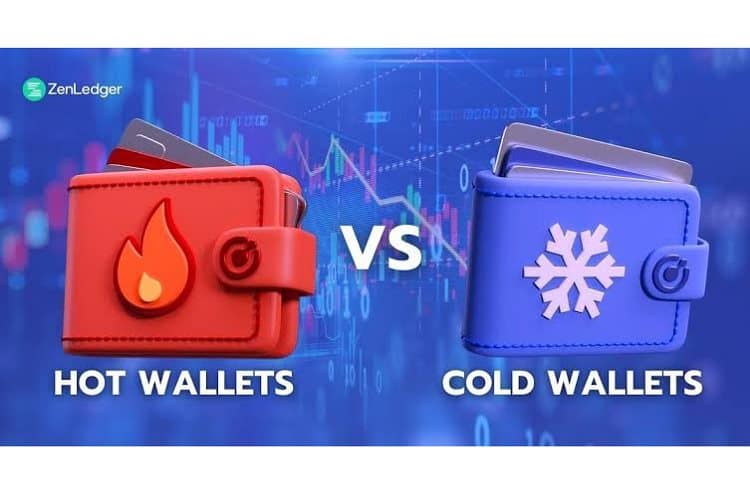
 In 2024, hackers stole over $2.2 billion from crypto platforms. The majority of these assaults targeted internet-connected wallets. Phishing, malware, and software flaws made it easy for criminals to get in. Hot wallets were often the weakest link.
Large companies take a different approach. They use cold wallets to store their crypto. These wallets are offline. It means no direct internet access, which makes them harder to attack.
While cold wallets can be less convenient, they offer better control and safety, especially when managing large sums.
However, using cold wallets only is not the way out, as different wallets serve different purposes.
The way you store your crypto matters. Whether you’re an individual or a business, your choice of wallet shapes your level of risk. It also affects how easily you can move your funds.
This article explains how hot and cold wallets work. It will help you decide which one suits your needs and how to use each one safely and efficiently.
Let’s define a hot wallet
A hot crypto wallet stays online. It has an internet connection at all times. It makes it easy to access your crypto at any time. Hot wallets are often used for everyday purchases and fast transfers.
Some examples are:
- Applications for smartphones such as Trust Wallet
- Browser extensions like MetaMask
- Wallets on crypto exchanges
Hot wallets are popular for everyday use. They work well for businesses that need to send payments or receive funds quickly. Some companies also link their wallets to payment tools for faster handling.
Advantages:
- Instant access to funds
- Fast transactions
- Easy to use with DeFi apps and crypto platforms
Disadvantages:
- Open to online threats like phishing or hacking
- Often run by third-party services
- Less secure for large amounts
If you make regular transfers or trade often, hot wallets can be a good fit.
Let’s define a cold wallet
Your cryptocurrency is kept offline with a cold wallet. It doesn’t have an internet connection. Hackers have a considerably harder time getting in as a result. Among the cold wallets are:
- Hardware wallets (like Ledger or Trezor)
- Paper wallets (a printed version of your keys)
These wallets are often used to hold large amounts of crypto. They’re ideal for long-term storage. Many businesses store reserve funds this way.
Advantages:
- Safer from online threats
- You control the private keys
- Great for holding funds long-term
Disadvantages:
- Not ideal for fast transfers
- Hardware wallets can be expensive
- You can lose the wallet or damage it
If you’re not planning to move your funds often, a cold wallet offers better security. Make sure you use a reliable crypto payment provider like CoinsPaid to keep your funds secure.
Hot wallet vs cold wallet
Here’s a quick look at the differences:
- A hot wallet is constantly online, whereas a cold wallet remains offline.
- Compared to hot wallets, cold wallets provide more robust defense against online attacks.
- Hot wallets are easier to use, while cold wallets can be less convenient.
- Cold wallets are better for long-term storage, while hot wallets suit daily transactions.
- Cold wallets carry lower risk, while hot wallets are more exposed to attacks.
Choosing the right wallet
The right choice depends on your habits and how much you hold.
If you’re holding a lot and don’t need quick access, cold storage is the safer path. If you move crypto often, you may need a hot wallet.
You can also use both. Many people and businesses keep most of their funds in a cold wallet and use a hot wallet for spending or trading.
Tips to use wallets safely
Enabling two-factor authentication, protecting your recovery phrase, and using antivirus software are all crucial for hot wallets.
Make careful to purchase from reputable companies, keep your seed phrase offline in a safe location, and make backup copies when utilizing cold wallets.