 Think you’ve seen Lithuania after strolling through Vilnius Old Town or snapping a photo of Trakai Castle? Think again. While the big-name landmarks are stunning, Lithuania’s quietest corners often hold the most wonder. These ten natural escapes may not top guidebook lists—but they’ll stay with you long after your trip ends.
1. The Shifting Sands of the Curonian Spit
Stretching 98 kilometers between the Baltic Sea and the Curonian Lagoon, this UNESCO-listed sand-dune peninsula is a landscape like no other in Europe. Its dunes—some as high as 60 meters—are Europe’s tallest drifting dunes. Parnidis Dune near Nida and the ghostly Dead Dunes in the Nagliai Reserve feel almost Martian in their beauty.
“This is my personal favorite place in Lithuania,” one local says. “A place I recommend to every tourist.” Just don’t wander too far south—you might cross into Kaliningrad.
2. Nida: Lithuania’s Best-Kept Secret
While Palanga is the country’s loud and lively beach town, Nida whispers. This peaceful village on the Curonian Spit charms with colorful fishermen’s houses, a lighthouse, and over 50 kilometers of forested bike trails.
For a truly tranquil stay, consider booking a cozy guesthouse like kursiu snauda, nestled right in the heart of Nida. Rent a bicycle and disappear into the pine-scented quiet.
3. Dutchman’s Cap: The Cliff That Catches the Sunset
Just north of Klaipėda, a 24-meter bluff rises abruptly from the sea. Known as the Dutchman’s Cap, it once guided sailors. Today, it’s one of the most dramatic spots for watching the sun melt into the Baltic. You’ll find no crowds here—just the wind and the waves.
4. Witches in the Woods: Hill of Witches in Juodkrantė
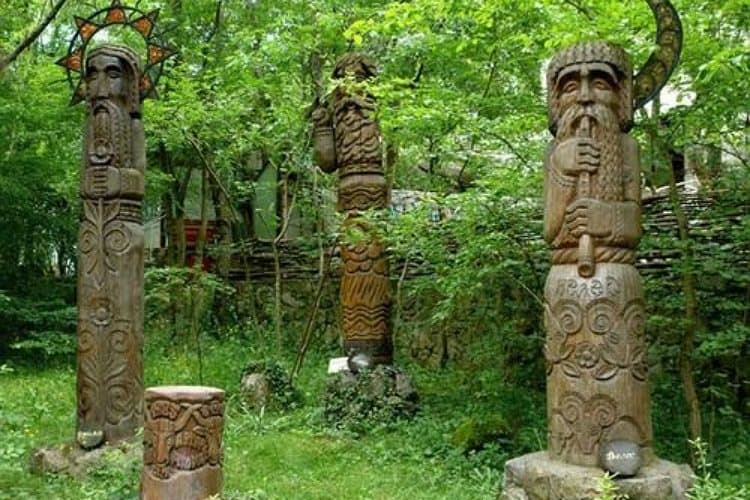
This open-air sculpture trail deep in a forest feels like a page from a dark fairytale. Dozens of hand-carved wooden statues depict witches, devils, and characters from Lithuanian folklore. Kids love it. Adults find it strangely enchanting. You won’t find anything like it elsewhere.
 5. Among the Treetops in Anykščiai
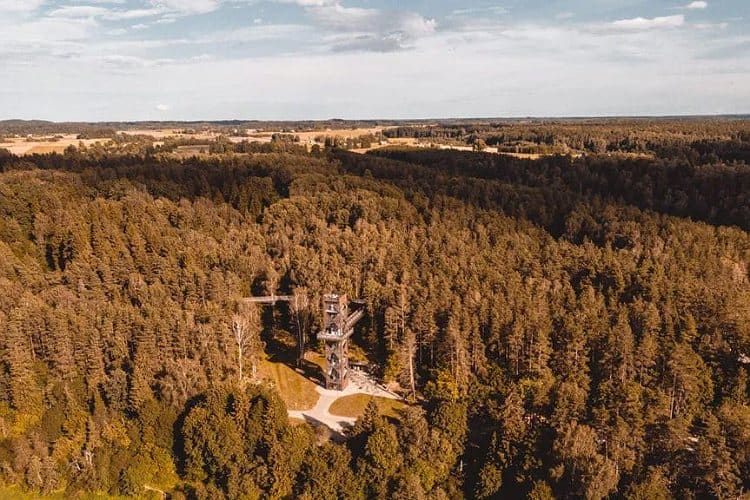
One of Lithuania’s most peaceful regions hides a sky-high surprise. The Treetop Walking Path lets you stroll above the forest canopy before reaching a viewing tower with panoramic views. Nearby, the famous Puntukas Stone—Lithuania’s second-largest—sits as a national icon, oddly beloved by generations.
 6. Monastery by the Water: Pažaislis
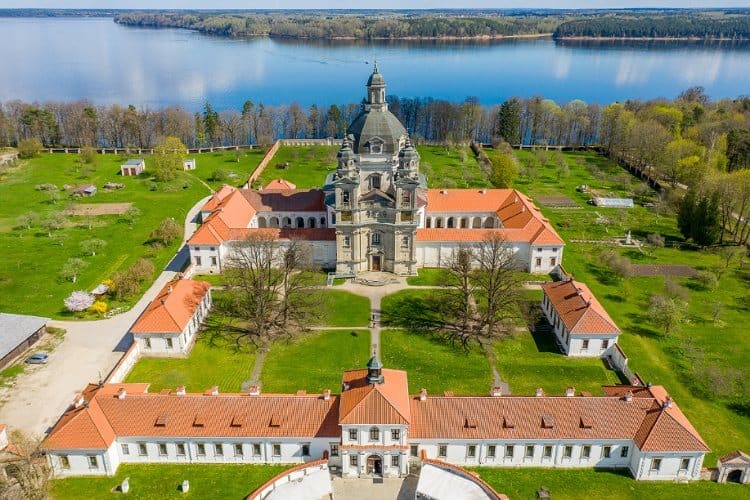
Ten minutes from Kaunas, this 17th-century monastery stands serenely by the reservoir. It’s the largest monastery complex in the country and a baroque masterpiece. “Magnificent buildings, peaceful setting – often overlooked by tourists,” a visitor noted. It’s not just a stop; it’s a sanctuary.
 7. Grūtas Park: Soviet Shadows in the Pines
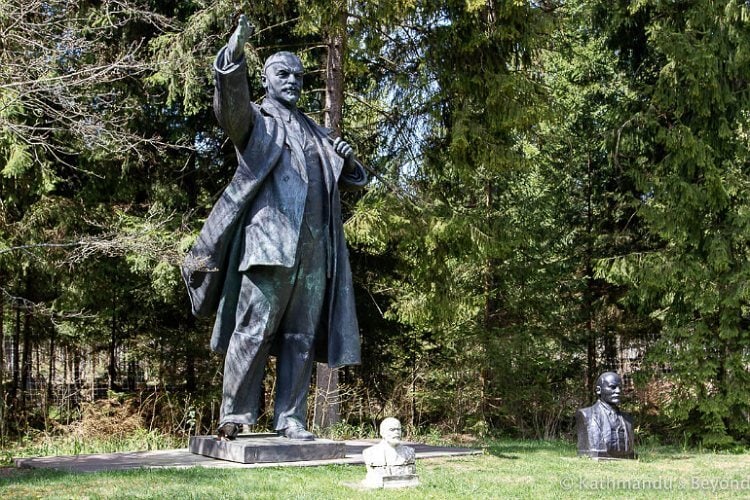
Imagine dozens of Lenin and Stalin statues scattered through a forest. Add Soviet playgrounds and relics, and you get Grūtas Park—part museum, part eerie time capsule. It’s controversial. It’s strange. But it’s one of the most thought-provoking places you’ll see.
 8. Rumšiškės: A Village From Every Region
This massive open-air folk museum near Kaunas showcases traditional life from every part of Lithuania. Old churches, farms, and wooden homes stand side by side. Visit in winter and you might stumble into Užgavėnės, a wild masked festival with pancakes, dancing, and bonfires.
9. Lakes, Forests, and Stillness
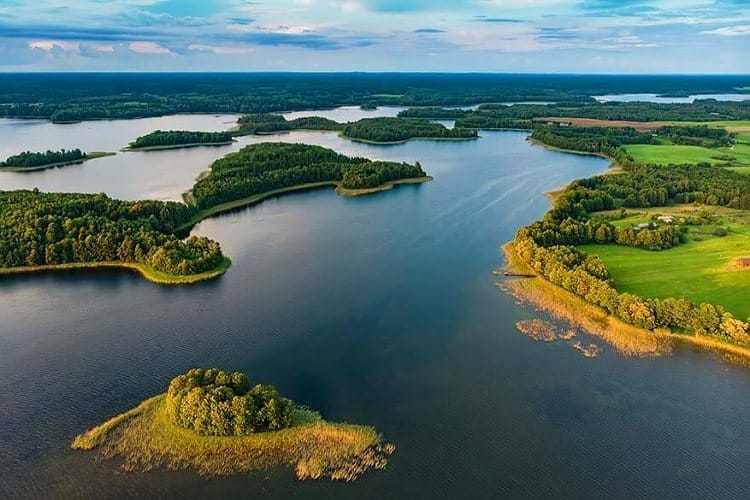
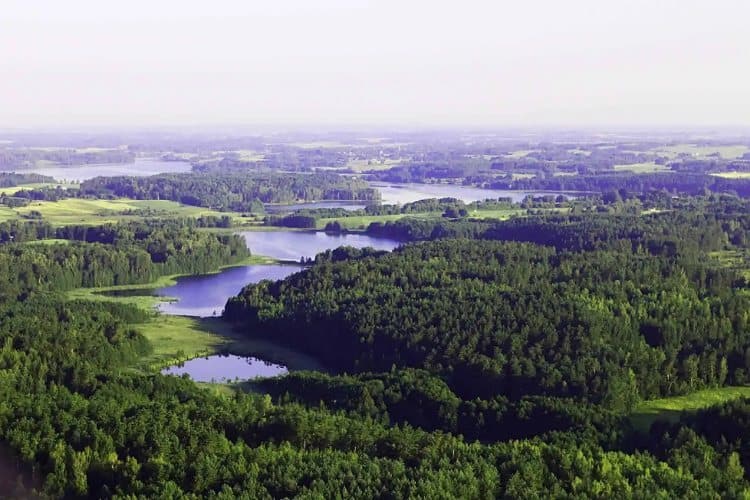
Lithuania is more forest than city. Over 6,000 lakes, 800 rivers, and 33% of land covered by woods—those numbers aren’t travel brochure fluff. They’re weekend plans for locals, who kayak, hike, ski, and forage depending on the season. If you want to feel what it’s like to be Lithuanian, start here.
 10. The Beauty of Being Off the Map
These places won’t come with long lines, ticket counters, or glossy billboards. And that’s exactly the point. Lithuania’s soul isn’t always found where everyone’s looking. Sometimes, you find it when you’re alone, on a quiet dune, watching the forest breathe.