Strong teeth aren’t just about good looks—they help you eat better, talk clearly, and stay healthy overall. But here’s the deal: you don’t need to be perfect to keep them strong. You just need the right habits and a bit of consistency. And guess what? It’s easier than most people think.
Now let’s talk about Pickerington. Many locals only see an orthodontist when there’s a clear problem—like crowding or jaw pain. Regular checkups aren’t always part of the routine. While basic oral health in the area is decent, many still skip visits that could prevent bigger issues down the road. So, if you’re in Pickerington and want stronger teeth, these tips will help you get started.
Brush Properly Twice a Day
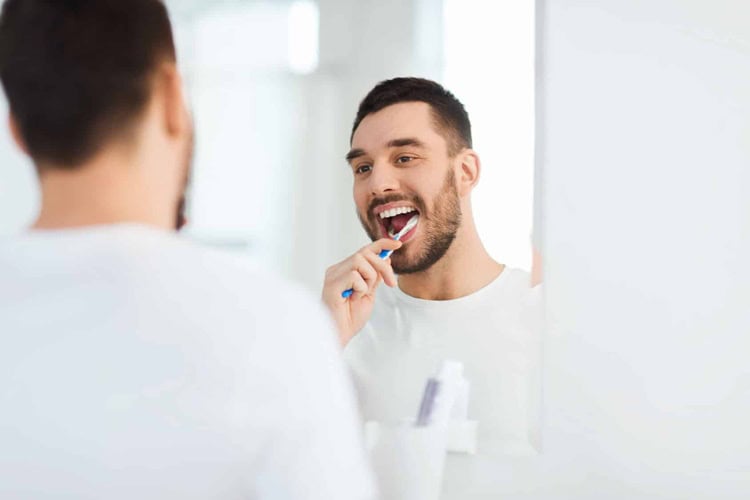
Brushing sounds simple, but many people get it wrong. Using a soft-bristled brush, gently clean your teeth in circles for two full minutes—don’t rush. Avoid brushing too hard, as this can wear down the enamel. Ensure that you reach every area, including your back teeth and the gum line. Brush at least twice daily—once in the morning and once before bed. Done right, brushing keeps your enamel protected and your teeth cleaner and stronger over time.
Start with a Bite Check
Even if you brush and floss daily, an uneven bite can still cause problems. It puts pressure on certain teeth, leading to faster wear and tear. It can also cause jaw pain and make it harder to clean certain areas, thereby increasing your risk of cavities. Alignment plays a big role in long-term tooth strength. If you’re not sure where to go for help, run a quick search for Pickerington orthodontists near me to identify reliable professionals in your area. Look for someone who offers personalized care with modern solutions, such as braces and Invisalign. Their focus should be on function and comfort that helps ensure your teeth stay strong, not just straight.
Add Fluoride to Your Routine
Fluoride is a simple and effective way to strengthen your enamel. Most toothpaste already includes it, but you can also use a fluoride rinse for added support. Don’t rinse your mouth with water immediately after brushing—let the fluoride stay on your teeth a little longer. Ask your dentist if extra fluoride treatments are right for you. These small steps can help reduce sensitivity and keep your teeth protected from everyday wear.
Limit Sugar and Acidic Foods
What you eat plays a significant role in maintaining the strength of your teeth. Sugar feeds harmful bacteria in your oral cavity, which leads to plaque and tooth decay. Acidic foods and drinks—such as soda, vinegar-based snacks, and citrus fruits—can erode your enamel over time, increasing sensitivity and chances of damage. You don’t have to give up all your favorites, but try to cut back when you can. Rinse with water after eating acidic or sugary foods to reduce their impact.
Don’t Skip Your Regular Dental Visits
It might seem like everything’s fine, but only a dentist can catch small problems before they turn into big ones. Professional cleanings remove plaque that brushing and flossing can’t. A quick exam every six months helps catch early signs of cavities, gum disease, or alignment issues. These checkups don’t just protect your current oral health—they help keep your teeth stronger for years to come. Consistency is key, even if you think your teeth are in good shape.
Use a Mouthguard for Protection
Many people grind their teeth at night without even knowing it. Over time, this habit can wear down your enamel and weaken the structure of your teeth. You might be grinding your teeth in your sleep if you frequently wake up with headaches or a sore jaw. A simple mouthguard, frequently made to order by your dentist, can provide protection while you sleep. It’s also a must if you play contact sports. Prevention now means fewer problems later.
Stay Hydrated All Day
Water is as good for your teeth as it is for the rest of your body. Drinking plenty of water washes away leftover food and bacteria. It also supports saliva production, which naturally protects enamel and keeps your mouth clean between brushes. Skip sugary drinks and opt for water whenever possible. It’s one of the easiest ways to support stronger teeth without any extra effort.
Break Bad Oral Habits
Using your teeth to open packages, chewing ice, or biting your nails might seem harmless—but these habits can cause chips and cracks. Over time, they weaken your teeth and increase your risk for serious damage. Stick to using your teeth for eating and smiling—nothing more.
Stronger teeth don’t come from one big change. They come from small, daily habits that add up. Whether it’s improving your brushing technique or consulting a professional to check your bite, each step supports your long-term oral health. Start today, and your future self will thank you.