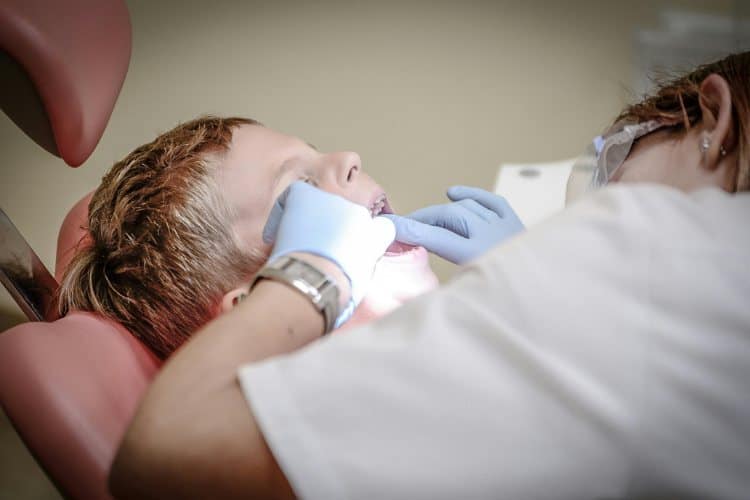
 Who first showed you how to brush your teeth? Maybe it was a parent speeding through the morning rush or a goofy cartoon with a toothbrush in hand. The habit stuck—for the most part. But did we ever really learn why it matters?
That question is more relevant than ever. Dental care goes beyond cavities now. It’s tied to overall health, early detection of serious conditions, and the growing importance of preventive care. New research links oral hygiene to issues like heart disease and mental health. People are realizing that regular checkups can catch more than just plaque.
In Antioch, CA, this shift is becoming visible. Families are taking oral health seriously—not just for kids, but across generations. Not because there’s a problem, but because they’re beginning to value what consistent, early care can offer. It’s a small habit with a long-term impact.
In this blog, we’ll explore how early routines influence lifelong dental health, what parents need to know about kids’ oral care, and why having the right dental support truly matters.
Why Starting Early Really Matters
Children don’t naturally love brushing their teeth. Let’s be honest—most adults don’t either. But building a routine early on sets a pattern. And those patterns add up. Just like learning to read or ride a bike, dental habits get stronger with practice. But unlike reading or biking, skipping the basics can lead to years of expensive fixes.
This is especially true when it comes to alignment, jaw development, and bite health. Parents may not notice anything “wrong” with their child’s smile, but small signs can indicate growing issues. Mouth breathing, late tooth loss, crowding, or even frequent headaches can be early clues.
That’s where a reliable orthodontist in Antioch, CA, becomes more than a nice-to-have. Local families benefit from professionals who not only fix problems but help catch them before they begin. Early orthodontic evaluations, often around age 7, can prevent more invasive procedures down the line. They give kids the best shot at healthy growth without major disruptions later.
When these visits are introduced gently and early, kids don’t fear them. Instead, they begin to see oral care as something normal and manageable. That shift in mindset can last for life.
The Bigger Picture of Preventive Care
We’re living in a time when prevention is finally getting the attention it deserves. Healthcare systems are pushing for early screenings. Insurance companies are expanding preventive coverage. Even schools and apps are getting in on the trend. And oral health is no exception.
Still, we often treat dental visits as something we only do when there’s pain or a problem. That delay leads to rushed decisions, emergency appointments, and costly solutions. Preventive care avoids the drama. It makes oral health feel more like a rhythm than a rescue.
It’s also less about individual visits and more about lifestyle. For kids, this means brushing twice a day with the right technique. It means avoiding excessive sugar—not just candy, but sugary drinks and snacks too. And it means seeing the dentist consistently, even when everything looks fine.
For adults, it’s about setting the example. Kids learn more from what they see than what they hear. If parents treat oral health as a priority, kids pick up on that. Whether it’s replacing toothbrushes on schedule or modeling flossing before bed, those small moves create a culture of care at home.
Helping Kids Build Better Habits
Parents don’t need to turn their homes into dental clinics. The goal isn’t perfection. It’s consistency. That starts with creating a routine that works for your child’s age and temperament. For toddlers, brushing together can turn a chore into bonding time. For school-age kids, visual charts or apps that reward streaks can build motivation. And for teens, a little education about appearance and confidence goes a long way.
Schools are also part of the picture. Many districts are adding dental education into health curriculums. Some offer screenings or partner with local dental offices. This kind of exposure normalizes the conversation and helps remove the fear factor. When care is presented as helpful rather than scary, kids are more likely to speak up when something feels off.
Technology helps too. Electric toothbrushes with timers, fluoride rinses designed for kids, and dental games make the process less boring. And while none of these replace regular visits or cleanings, they help keep good habits alive between appointments.
What Adults Often Forget
The irony? Adults often need this advice more than their kids do. Somewhere between high school and adulthood, many people lose the routines they once followed. They brush too hard or too fast. They skip flossing. They live with jaw pain or sensitivity because they assume it’s “just how it is.”
This mindset keeps small issues from being addressed. Adults may also avoid orthodontic consultations because they think they’re too old or because their issues are “just cosmetic.” But modern care has come a long way. Discreet aligners, faster treatments, and personalized plans make it easier than ever to correct long-standing issues.
And beyond the smile, these adjustments improve comfort, digestion, and even posture in some cases. There’s no deadline on investing in your health. But the earlier you start—or restart—the easier the process becomes.
This willingness to restart their oral health journey often extends to restorative needs, where adults seek permanent solutions for missing teeth. For instance, an adult ready to invest in a long-term solution might search for a term like dental implants Avon Lake OH or full-mouth reconstruction specialist to find a trusted local professional who can restore their smile and function.
The bottom line? The goal of early dental habits isn’t just avoiding cavities or getting straight teeth. It’s about developing a sense of ownership over your health. It’s about building routines that are easy to maintain. And it’s about creating positive associations with care, instead of fear or delay.