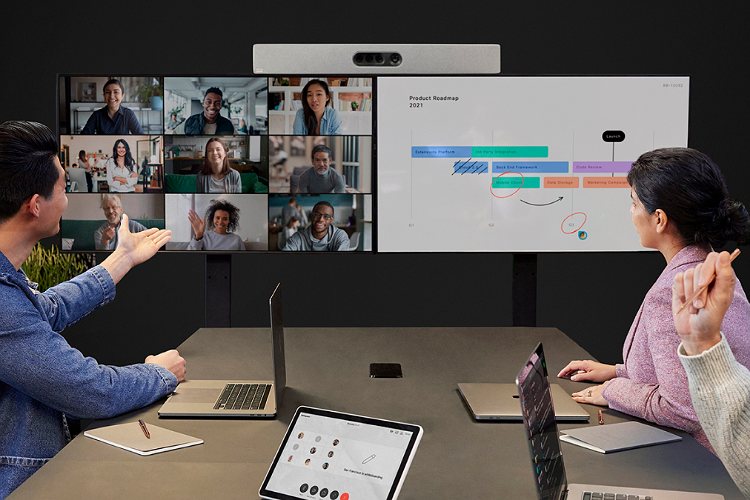
 The world doesn’t gather like it used to. Conferences aren’t bound by walls anymore. Launches aren’t limited by cities. Networking doesn’t stop at the hotel bar.
The way we connect, share, and grow has changed—and it’s all thanks to virtual event solutions.
These tools are more than streaming software. They’re entire ecosystems built to recreate—and even improve—the live event experience.
And if you’re not using them yet, you’re already behind.
Let’s talk about how they work, why they matter, and how they’re shaping the next era of business and entertainment.
What Virtual Event Solutions Actually Are
A “virtual event solution” isn’t just a Zoom link. It’s a full digital framework designed to host, manage, and deliver interactive experiences online.
Think beyond screens. Think engagement.
These platforms combine live streaming, networking, analytics, and interactivity. They bring people together in real time—across continents.
You can:
- Stream live or pre-recorded sessions.
- Host breakout rooms and private chats.
- Share presentations and screen content.
- Run polls, Q&As, and digital games.
- Measure engagement through analytics dashboards.
It’s not just about hosting a meeting. It’s about creating connections at scale.
Why Businesses Can’t Ignore It
Before 2020, digital events were a backup plan. Now, they’re a core strategy.
Companies discovered that virtual events expand reach, reduce costs, and drive ROI like nothing else.
Let’s put it in perspective:
- A 1,000-person in-person conference might cost $500,000+.
- The same event online? Often under $100,000, with double the audience.
That’s not theory. That’s proven.
Virtual events cut travel, venue, catering, and logistics costs. Yet they increase attendance and extend shelf life because sessions can be replayed or shared.
For startups and enterprises alike, this isn’t a trend—it’s evolution.
The Technology Behind the Experience
Let’s strip away the buzzwords. Here’s what powers great virtual events.
1. High-Quality Streaming
No buffering. No lag. No frozen faces. Reliable streams are the foundation. Most platforms now use adaptive bitrate technology to keep video smooth, no matter your connection.
2. Custom-Branded Platforms
Forget cookie-cutter templates. Businesses want immersive branded experiences—custom colors, logos, backgrounds, and landing pages.
3. Integrated Chat and Networking
Networking is the hardest thing to replicate online. Good virtual event solutions make it easy with chatrooms, private DMs, and AI-powered matchmaking.
4. Analytics and Reporting
You can’t improve what you can’t measure. Modern systems track attendance, engagement, dwell time, and click patterns.
5. Security and Access Control
Enterprise-grade events need encrypted streams, gated access, and registration verification. Nobody wants unauthorized logins mid-presentation.
That’s the difference between DIY streaming and true production-level virtual events.
Entertainment Meets Technology
Entertainment events thrive on energy. Music. Color. Interaction.
Virtual event producers figured out how to bring that energy to screens.
Live concerts. Film premieres. Esports tournaments. Even fashion shows—all now run virtually or in hybrid formats.
Behind the scenes, the production is intense. Multiple camera feeds. Interactive overlays. Augmented visuals. Real-time chat moderation.
When it’s done right, viewers don’t just watch—they participate.
The best virtual events don’t feel like “watching a video.” They feel like being part of a moment.
The Equipment That Makes It Work
Hardware matters as much as software.
Top-tier virtual event solutions rely on:
- 4K cameras for crystal-clear visuals.
- Studio lighting to set tone and depth.
- Professional mics for crisp sound.
- Mixing consoles for seamless scene transitions.
- Green screens for digital set design.
These tools bridge physical production and digital broadcasting.
Even small businesses can rent or outsource this gear for professional-quality streaming. It’s not about spending millions—it’s about execution.
Startups Are Leading the Charge
Startups move faster than corporations. They saw the shift early.
Virtual events became their growth hack.
They could host investor days, product demos, and launch parties—all online, all global, all measurable.
Instead of flying investors in, they streamed the story. Instead of handing out brochures, they shared interactive dashboards.
Startups use virtual event solutions to scale visibility, credibility, and community—all with limited resources.
That’s smart business.
Hybrid Events: The Perfect Middle Ground
Hybrid events combine physical and virtual audiences.
Think keynote speakers on stage with in-person guests and live online participants worldwide.
This format is booming. It delivers the best of both worlds—connection plus convenience.
AV teams now use synchronized lighting, cameras, and feeds to ensure both audiences feel included.
Hybrid is the new default.
Because some people crave the energy of being in the room. Others prefer joining from home. Great production connects both seamlessly.
Gadgets and Innovation in Virtual Events
The gear is evolving fast.
- 360° cameras create immersive views.
- VR headsets transport users to digital venues.
- Smart microphones cancel background noise automatically.
- AI-driven tools monitor engagement and adjust experiences in real time.
And the next wave?
Metaverse integration. Virtual event platforms are exploring 3D avatars, digital lobbies, and interactive environments.
Imagine walking through a virtual convention center. Meeting people. Viewing booths. Watching a keynote—all inside a browser.
That’s not science fiction. It’s happening now.
Why Production Value Matters
Your content can be great, but if the stream looks amateur, your credibility tanks.
Audiences expect Netflix-level quality. Smooth transitions. Balanced lighting. Strong audio.
That’s where professional production makes the difference.
Experienced teams handle everything—camera switching, cue timing, overlays, background music.
It’s not about showing off. It’s about respecting your audience’s attention.
Because the truth is simple: production equals perception.
Data Is the New Currency
Virtual events generate something traditional events can’t—data.
You know who attended, how long they stayed, what they clicked, and what they skipped.
That information drives future decisions. You can personalize follow-ups. Refine content. Target future campaigns.
It’s marketing gold.
Smart companies build entire strategies around event data. It turns every presentation into insight.
How to Choose the Right Virtual Event Solution
Not all platforms are equal. Choose based on your goals.
Ask yourself:
- How many attendees will you host?
- Do you need breakout sessions or just a main stage?
- Is branding important?
- Do you need integration with CRM or marketing tools?
- What’s your budget for production and equipment?
For smaller meetups, a lightweight platform works. For conferences or product launches, go professional.
The key? Scalability.
Pick a platform that grows with you.
The Future of Virtual Events
The line between physical and digital is disappearing.
We’re moving toward fully integrated experiences where location doesn’t matter.
Imagine AI-driven translators that make global events multilingual instantly. Or smart avatars that attend meetings on your behalf, gathering insights while you sleep.
That’s where the industry is heading—automation and immersion.
Virtual events won’t replace physical ones. They’ll enhance them.
Soon, every major brand will have dedicated AV and virtual event teams in-house. It won’t be a department. It’ll be a core competency.
Why It’s Time to Invest
Here’s the truth:
The companies winning attention today are the ones owning their digital presence.
A great virtual event isn’t just marketing—it’s strategy. It’s customer engagement. It’s global reach without the global cost.
And it’s not just for tech companies. Finance. Education. Healthcare. Entertainment. Every industry is going virtual in some capacity.
Your audience is already online. The question is: will they find you there?
Final Thoughts
The way we communicate has changed for good, and virtual event solutions aren’t a backup plan anymore. They’re the new main stage.
They break barriers. Build communities. Scale messages beyond geography.
And as technology keeps evolving—AI, AR, VR, data analytics—the virtual experience will only get richer.
If you want your brand to stay relevant, this is the space to master.
Because the future isn’t coming. It’s already live.