 Key Takeaways:
- Weekend travellers are seeking vans that perform reliably off-grid and on rougher terrain
- Standard campervans often fall short when used for more active or remote short trips
- Rugged touring vans provide better layouts, storage, and long-term usability
- Demand is growing for compact setups that support flexible, real-world travel
You don’t need to take six months off to see the country. For most Australians, a couple of nights on the road is enough to reset—as long as the van actually suits the trip. That’s where things have started to shift. The quick weekend getaway isn’t new, but the way people are doing it has changed dramatically.
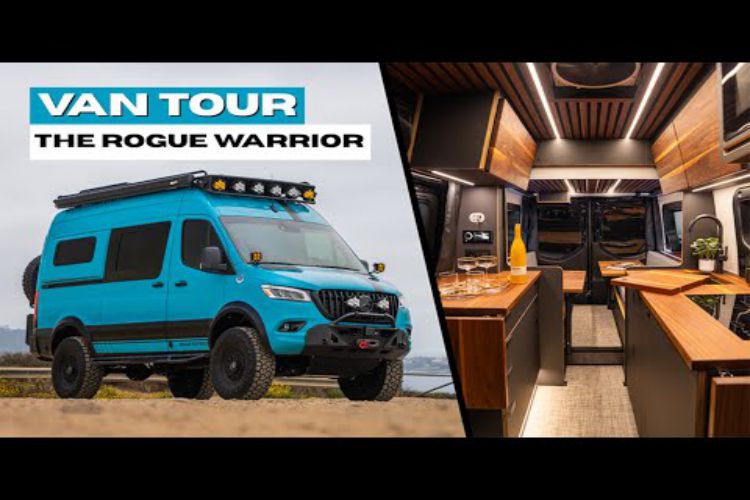
Forget the heavy, oversized rigs built for long-haul travel. A new kind of van is finding its way into driveways across the country. Compact, tough and cleverly laid out, rugged touring vans are replacing old campers as the go-to choice for people who want their trips fast, flexible and off the bitumen.
It’s not just about the gear, either. It’s about how the gear changes, where you can go and how much you enjoy getting there.
When Convenience Starts to Limit Your Trip
It’s easy to settle for a van that ticks the basics. Bed, fridge, sink, maybe a pop-top if you’re lucky. But that same setup can start to feel limiting once you push beyond tourist parks and highway pullovers.
The reality is, most weekend warriors don’t take it easy on their vans. The whole point is to cram in as much adventure as possible—driving up forest access roads, pulling into unsealed beach tracks, and hauling around all the gear for bikes, hikes or paddleboards. And it’s on those unplanned detours that standard builds start to show their weaknesses.
Poor clearance, rattly fixtures, underdone electrics and limited water storage turn what should be a relaxing trip into a series of compromises. You end up cutting the weekend short or skipping the more scenic spots because the van can’t handle the terrain.
That’s what’s fueling the demand for something better. A van built for the kind of travel people are actually doing. Something that doesn’t just survive a rough road but makes it comfortable.
From Sealed Roads to Sand Tracks
Where you can take your van changes how you travel. A more challenging build doesn’t just mean going deeper into the bush—it means doing it without thinking twice. For those using every weekend to its fullest, that kind of freedom matters.
It’s not about just chucking on a set of all-terrains. A good touring van has a foundation built for harder use. Underbody protection, smart weight distribution, off-grid power, bigger water tanks—all of these start to shape where you’ll actually go and how long you can stay out there.
Then there’s the fit-out. When the sun’s gone down and you’re camped miles from the nearest powered site, that’s when insulation, layout and smart storage start to matter. Being able to cook without crowding yourself, dry off without fogging the place up, and sleep without constant reshuffling changes the whole pace of the trip.
You stop relying on caravan parks and start chasing places that don’t come with power points. And that shift opens up parts of the country that used to be off-limits unless you were fully set up or lucky with the weather.
What Seasoned Travellers Are Prioritising
It doesn’t take long before the little things start to matter more than flashy extras. Power independence, decent airflow, practical storage—these are the details that weekend travelers begin to prioritize after a few solid trips. And they’re precisely the things that older or entry-level vans tend to neglect.
The focus now is on usability under real conditions. Can you run your fridge, lights and fan without a generator? Can you reach your gear without dragging everything out? Can you sleep comfortably without having to set up half the van every night? The longer you travel—even if it’s just over weekends—the more those details shape your experience.
That’s why models like the 2023 Avida Leura are getting more attention. It doesn’t go overboard with features you won’t use, but it nails the things that actually make a difference when you’re parked at a windy cliff edge or waiting out a storm in the high country. From its compact profile to its off-grid capability, it’s built for real-life travel.
For many, that balance is what finally tips the decision. A van that’s agile enough for short getaways, tough enough to leave the highway behind, and well thought-out enough that you’re not constantly working around its limitations.
Solo, Partnered or Dog-in-Tow
A van that works well for one person might be a nightmare for two. Throw in a dog and suddenly layout, space and access become non-negotiable. The surge in rugged touring vans isn’t just about build quality—it’s about how well they function with real people, real routines and real gear.
Couples are looking for sleep setups that don’t require nightly reshuffling. Solo travelers want enough internal room to ride out bad weather without going stir-crazy. Pet owners need surfaces that wipe down and storage that stays out of the way. These aren’t luxury requests—they’re the realities of van travel in Australia, especially when you’re doing it regularly.
And the moment you start using a van designed for this kind of travel, the difference is obvious. Doors open where you need them. Storage isn’t buried under bedding. There’s airflow without flapping canvas and space to make a coffee without stepping on your shoes.
You stop having to work around your van’s weaknesses. Instead, it supports the kind of trips you actually want to take—whether that’s solo stints in the alpine regions or lazy long weekends on the coast.
Local Destinations Are Getting More Remote
Weekend trips used to mean a quick drive and a predictable spot. But that’s changing fast. More travelers are looking beyond the usual campgrounds, heading for lesser-known beach access tracks, forest clearings and inland reserves where phone service drops out and sealed roads disappear.
These aren’t weeks-long expeditions. They’re Friday-night departures and Sunday-night returns. But they still need a van that can handle off-grid living, rougher tracks and long spells between top-ups. And that’s where touring vans are setting themselves apart.
When you’ve only got 48 hours to make the most of a trip, the last thing you want is to waste time rerouting because your setup can’t manage the terrain. The freedom to explore inland ranges, wind along coastal bush tracks, or reach higher country without worrying about damage or discomfort is part of what makes the modern touring van so appealing.
It’s not about pushing limits—it’s about knowing your gear won’t be the reason you cut the trip short.
Conclusion
The way Australians travel on weekends has changed, and so have the vans that support those trips. People want comfort without the clutter, durability without the drama, and enough flexibility to handle everything from beach camps to bushland detours.
Upgrading isn’t about going bigger—it’s about choosing a setup that actually keeps pace with your lifestyle. Whether you’re chasing waves, forest trails or just quiet time in the backcountry, the right van turns short breaks into something far more satisfying.