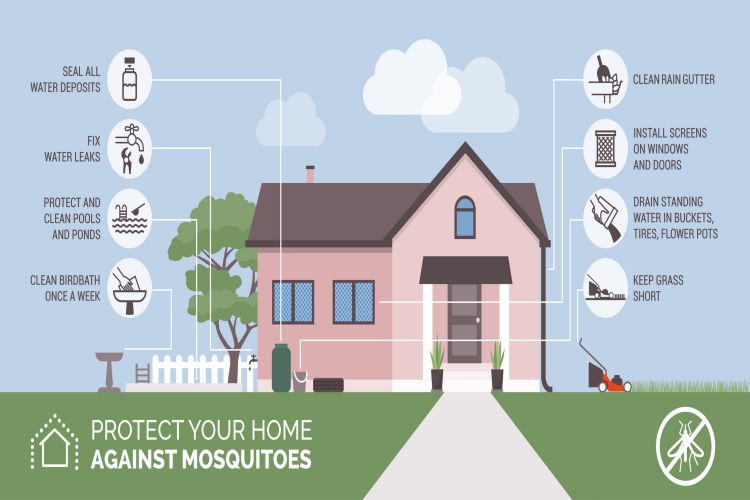
Mosquitoes are not only annoying, but they can also pose serious health risks to you and your family. From their buzzing sound to the itchy bites they leave behind, mosquitoes are a summer nuisance for many homeowners. However, the problem doesn’t end with warmer weather. Mosquitoes can thrive year-round in certain climates, spreading diseases like malaria, Zika virus, and West Nile virus. This makes effective mosquito control solutions a year-round necessity.
In this article, we’ll discuss the importance of mosquito control, the various mosquito removal strategies you can implement, and how to protect your home and family from these pests throughout the year.
Why Mosquito Control Matters
Mosquitoes are more than just a nuisance. They are vectors for a variety of diseases, some of which can have serious consequences for your health. As to the Centers for Disease Control and Prevention (CDC), mosquitos play a part for the transmission of illnesses such:
- West Nile Virus: A mosquito-borne illness that can lead to fever, body aches, and, in severe cases, neurological disease.
- Zika Virus: A mosquito-borne virus that can result in serious neurological issues and birth defects in expectant mothers.
- Dengue Fever: Flu-like symptoms and serious complications can result from this viral illness.
- Malaria: A dangerous illness that still causes fever, chills, and flu-like symptoms in many parts of the world.
These health risks highlight why effective mosquito control is critical for homeowners. A proactive approach to mosquito removal can protect your family and prevent the spread of diseases.
Understanding the Life Cycle of Mosquitoes
To effectively control mosquitoes, it’s important to understand their life cycle. Mosquitoes go through four stages: egg, larva, pupa, and adult. Each stage presents an opportunity to reduce their population.
- Eggs: Female mosquitoes lay their eggs on standing water. The eggs hatch within a few days and begin the larval stage.
- Larvae: This stage lasts from 4 to 14 days, during which larvae feed on microorganisms in the water.
- Pupae: The pupal stage is the transition between the larval and adult stages. This phase lasts 1-4 days.
- Adults: Once mosquitoes emerge from the pupal stage, they are ready to start feeding and reproducing.
By addressing mosquito breeding sites and eliminating standing water around your home, you can prevent mosquitoes from completing their life cycle and significantly reduce their population.
Mosquito Control Strategies
Effective mosquito control requires a combination of preventive measures and active treatment solutions. Below are some of the most common mosquito control strategies that can help keep your home and family safe.
1. Eliminate Standing Water
Removing mosquito breeding grounds from your property is one of the best ways to lower mosquito populations. Mosquitoes, which lay their eggs in standing water, cannot reproduce if these sources are removed.
- Check your yard for standing water: Empty buckets, flower pots, and any other containers that collect water after rainfall.
- Clean gutters: Clogged gutters can collect water, providing a perfect breeding ground for mosquitoes. Ensure your gutters are clean and free-flowing.
- Fix leaks and standing water: Inspect pipes, air conditioning units, and faucets for leaks that could create standing water.
- Cover pools when not in use: If you have a pool, cover it when not in use to prevent mosquitoes from laying eggs.
By removing these standing water sources, you are taking away the mosquito’s natural habitat, making it harder for them to breed and survive.
2. Mosquito Traps
Attractants like carbon dioxide or pheromones are used in mosquito traps to entice and catch insects. These traps are an effective way to reduce mosquito populations around your home, especially in areas with high mosquito activity.
- CO2 Traps: These traps release carbon dioxide, which mimics the breath of humans and animals, attracting mosquitoes. Once they approach, the trap captures them using a fan or sticky surface.
- UV Light Traps: These traps use ultraviolet light to attract mosquitoes. The light draws the insects toward an electric grid or sticky surface.
While mosquito traps can be useful, they should be used in conjunction with other control measures like eliminating standing water for maximum effectiveness.
3. Mosquito Repellents
Repellents are a useful tool for keeping mosquitoes away from you and your family. There are various types of repellents available, including:
- Topical repellents: These contain active ingredients like DEET, picaridin, or oil of lemon eucalyptus. Apply them directly to your skin to prevent mosquito bites.
- Repellent sprays for outdoor spaces: These sprays are designed to be applied to your yard or patio area. They work by creating a barrier that mosquitoes avoid.
- Mosquito-repelling plants:
- Certain plants, such as citronella, lavender, and marigolds, are known to naturally repel mosquitoes. Planting these in your yard can help deter mosquitoes.
Repellents are a good short-term solution, but they should be used in conjunction with long-term control measures like mosquito removal and habitat reduction.
4. Professional Mosquito Control Services
For those who want a more comprehensive solution, professional mosquito control services can offer targeted treatments for long-term mosquito removal. These services typically involve:
- Barrier sprays: Professional pest control companies apply a barrier spray to your property, which helps eliminate mosquitoes on contact and repels them for several weeks.
- Mosquito misting systems: These systems are installed around the perimeter of your home and automatically release a fine mist of insecticide to kill mosquitoes.
- Larvicides: A mosquito control company may apply larvicides to standing water sources to kill mosquito larvae before they can become adults.
These professional services provide effective, long-term mosquito control solutions, especially in areas with high mosquito populations or hard-to-reach breeding sites.
5. Mosquito-Repellent Devices
There are a variety of mosquito-repellent devices that can be used both indoors and outdoors. These include:
- Mosquito-repellent candles: Candles made from citronella oil or other natural repellents can help deter mosquitoes in outdoor spaces.
- Mosquito nets: Using mosquito nets around sleeping areas can prevent bites during the night.
- Electronic mosquito repellers: These devices emit sounds that are designed to repel mosquitoes.
While these devices can be helpful in specific situations, they are often most effective when used alongside other mosquito control methods.
Why Year-Round Mosquito Control is Important
While mosquito activity tends to peak in the warmer months, mosquitoes can survive and reproduce year-round in some regions. In areas with mild winters, mosquito populations can persist through the colder months. Therefore, it is important to maintain consistent mosquito control efforts throughout the year.
Regular mosquito removal, habitat reduction, and professional treatments can help keep your home and yard mosquito-free even during the colder seasons. A proactive approach ensures that mosquitoes do not return when temperatures rise again.
About Facility Pest Control
Facility Pest Control offers effective mosquito control solutions to protect your home and family year-round. Our expert team specializes in mosquito removal, providing comprehensive treatments to eliminate breeding grounds and reduce mosquito populations. We use proven techniques and environmentally-friendly methods to keep your property safe from these pests.