 Pests are more than just an annoying inconvenience; they pose serious health and safety risks to homeowners. From rodents and insects to termites and wildlife, pests can damage property and spread diseases if not properly managed. The good news is that effective pest management strategies exist to keep your home safe and comfortable. Let’s explore some expert tips for preventing pests and ensuring the safety of your living environment.
Understanding Pest Behavior
Before diving into pest management techniques, it’s essential to understand the behaviors of common pests. Pests are typically driven by the need for food, water, and shelter. These resources are abundant in most homes, making them ideal environments for pests to thrive. Whether it’s the warm corners of a kitchen or the dampness of a basement, pests look for areas that provide the basics of survival.
For example, rodents like mice and rats are notorious for seeking shelter in attics, walls, and basements during colder months, where they can find warmth and food. Similarly, insects like ants, cockroaches, and termites are drawn to food sources in the kitchen or any moisture-rich areas in the home.
By understanding pest behavior, homeowners can take targeted measures to reduce attractants, making their homes less hospitable to pests.
Seal Entry Points
The first step in keeping pests out of your home is to prevent them from entering. Most pests enter homes through small cracks, gaps, or holes around doors, windows, and other entry points. A thorough inspection of your home’s exterior is crucial in identifying potential entry points.
Tips for sealing entry points:
- Check and replace weatherstripping around doors and windows.
- Repair any cracks or gaps in the foundation and walls.
- Ensure that vents, chimneys, and pipes are properly sealed to prevent pests from squeezing through.
- Install door sweeps on exterior doors to block gaps at the bottom.
Taking these simple steps can significantly reduce the likelihood of pests finding their way inside.
Keep the Home Clean and Tidy
Pests are often attracted to food crumbs, garbage, and spills. Regular cleaning and good sanitation practices can go a long way in deterring pest invasions.
Cleaning tips to prevent pests:
- Wipe down kitchen counters after meal preparation and store food in sealed containers.
- Take out the garbage regularly and ensure bins are tightly sealed.
- Clean under furniture, appliances, and cabinets where crumbs and debris often accumulate.
- Fix leaks promptly to prevent moisture build-up in areas like bathrooms, kitchens, and basements.
By keeping your home clean, you remove the food sources that attract pests, making it less likely they will take up residence.
Properly Manage Landscaping
The yard and landscaping around your home can either attract or repel pests. Overgrown vegetation, standing water, and piles of debris are all ideal habitats for pests. Insects like mosquitoes, for example, thrive in stagnant water, while termites can build nests in old wood or tree stumps.
Landscaping tips to prevent pests:
- Trim trees, shrubs, and hedges regularly to eliminate hiding spots for pests.
- Remove fallen leaves and branches promptly to discourage nesting.
- Keep firewood and other outdoor items away from the foundation of your home to prevent pests like termites and ants from entering.
- Ensure proper drainage in your yard to prevent pooling water where mosquitoes can breed.
A well-maintained yard not only enhances the aesthetic appeal of your property but also reduces the likelihood of pests being drawn to your home.
Pest Control Solutions
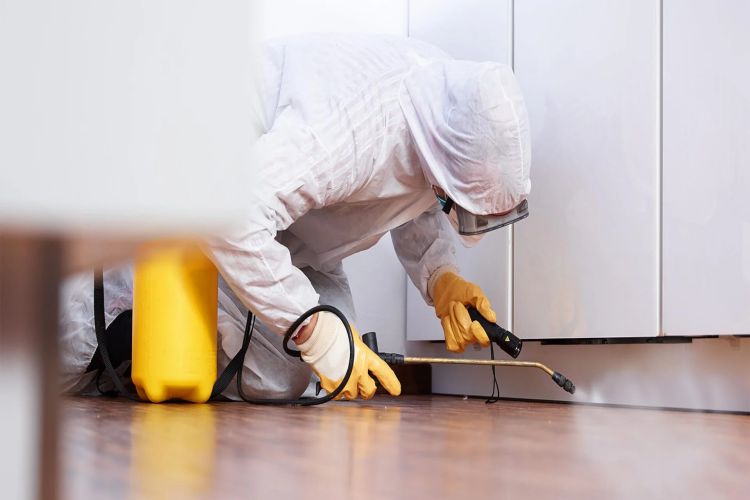
While preventive measures are essential, it’s also important to take action when pest infestations occur. This is where professional pest control 100 Mile House BC services come into play. A pest control expert can assess the severity of the problem, identify the types of pests involved, and implement effective solutions tailored to your specific needs.
Effective pest control methods include:
- Baiting: Pests like ants and rodents can be attracted to baits laced with poison or other deterrents, which they carry back to their nests.
- Traps: Trapping is a humane way to remove rodents and insects from your home, especially in the case of rats and mice.
- Insecticides and Pesticides: Professional-grade insecticides and pesticides are often necessary for treating large infestations of pests like termites, cockroaches, and bedbugs.
- Exclusion: A pest control technician can help you seal cracks, gaps, and other entry points that pests use to infiltrate your home.
It’s important to note that DIY pest control methods can be effective for minor issues, but professional pest control services are essential for larger or persistent infestations. Experts have the training, tools, and knowledge to effectively eliminate pests without compromising your home’s safety.
Natural Pest Control Options
In addition to traditional pest control methods, some homeowners prefer natural solutions to manage pests. Natural pest control methods tend to be eco-friendly and less harmful to humans, pets, and the environment.
Popular natural pest control strategies include:
- Essential oils: Oils like peppermint, tea tree, and citronella can act as natural repellents for pests like ants, spiders, and mosquitoes. Simply mix them with water and spray the solution around the house.
- Diatomaceous earth: This fine powder is harmless to humans and pets but deadly to pests. It works by dehydrating the exoskeletons of insects, killing them on contact.
- Predators: Introducing natural predators like ladybugs can help control aphid populations in gardens.
While these methods can be effective for minor issues, it’s important to remember that they may not be sufficient for large-scale infestations. Combining natural methods with professional pest control can provide the best results.
Routine Inspections and Maintenance
Regular pest inspections are crucial for identifying potential problems before they become serious. Even if you don’t see signs of pests, periodic inspections by a professional can reveal hidden infestations that are not immediately visible.
Pest control experts know where to look for signs of trouble, such as droppings, nests, or damage to structures. Routine inspections allow for early detection, which helps reduce the need for expensive treatments down the line.
About Solutions Pest Control
At Solutions Pest Control, we specialize in providing effective, reliable pest control services in 100 Mile House BC pest control, and surrounding areas. Our experienced team is committed to safeguarding homes from common pests like rodents, insects, termites, and more. We utilize both traditional and eco-friendly solutions tailored to your specific needs. Whether you’re dealing with an infestation or just want to take preventive measures, our expert technicians are here to help.