 Energy prices keep creeping up, but no one wants to spend summer sweating or winter shivering just to save a few dollars. The good news is you can reduce your heating and cooling costs without sacrificing comfort—if you combine a few smart habits, small upgrades, and a bit of tech.
Here are practical, doable ways to bring your bills down while keeping your home feeling good year-round.
Set Your Thermostat Appropriately
Tiny changes here can make a big difference. To save money on your electricity bills, the ideal air conditioner temperatures are
- Summer: Set your thermostat a bit higher than you think you “need” – often around 24–26°C (75–78°F) is fine if humidity is controlled and air is moving.
- Winter: Aim for around 19–21°C (66–70°F) and dress a little warmer indoors instead of cranking the heat.
Every degree you cool lower in summer or heat higher in winter can add noticeably to your bill. Most people find that shifting by just 1–2 degrees is barely noticeable for comfort but very noticeable on their statement.
Bonus tip: Use “auto” mode so your system doesn’t constantly blast at full speed. Let it ramp up gently before the hottest or coldest part of the day (more on that below).
Use Your System Smarter, Not Harder
Running your air conditioning or heating flat-out for a short burst is usually less efficient than running it steadily.
- Pre-cool or pre-heat:
- In summer, start cooling before the house gets unbearably hot (early afternoon) instead of waiting until it feels like an oven.
- In winter, let the system start warming the house gradually before you wake up or get home.
- Avoid extreme setpoints: Don’t set your thermostat to 16°C/60°F in summer or 30°C/86°F in winter “to cool/heat faster.” It doesn’t work that way—it just runs longer and wastes energy.
Think of your heating and cooling like cruise control on a car: smoother and steadier is usually cheaper than constant heavy acceleration.
Help Circulate the Air
Airflow is your best friend when it comes to feeling comfortable at higher cooling setpoints or lower heating setpoints.
- Ceiling fans: In summer, set them to rotate so they push air down and create a breeze. In winter, reverse them so they gently pull air up and circulate warm air without causing a draft.
- Portable fans: A small fan near your work desk or couch can make 24–25°C feel perfectly comfortable.
You’ll often find you can bump the thermostat up a degree in summer or down in winter when fans are doing their job. The cost of running ceiling or portable fans is much less than reverse cycle heating and cooling.
Insulate and Draft-Proof Where You Can
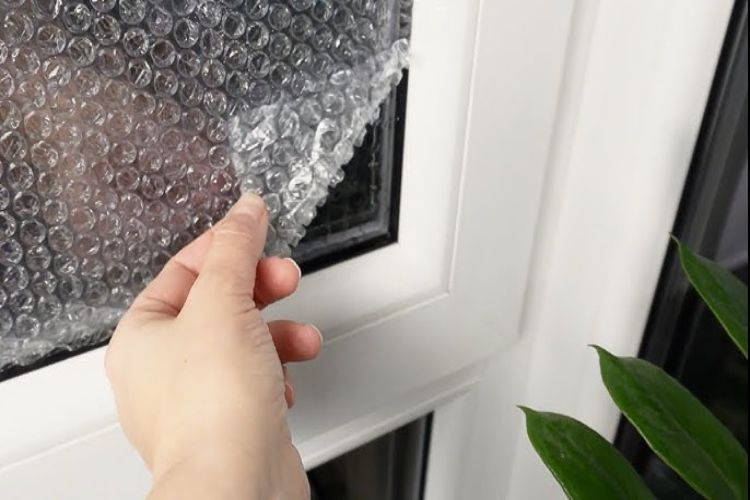
Your air conditioner and heater are working against whatever your walls, roof and windows are doing. Help them out.
- Seal obvious gaps: Use weatherstripping around doors and windows. Close up cracks where you can feel airflow.
- Curtains and blinds:
- In summer, close blinds or curtains on sun-exposed windows during the hottest part of the day.
- In winter, close them at night to keep heat in, and open them in the day to let free sunshine in.
- Rugs and door seals: On hard floors, adding rugs can reduce drafts; door “snakes” or seals stop warm or cool air from leaking straight out.
Even if you can’t afford major insulation upgrades, these small tweaks reduce how hard your system needs to work.
Use Zoning Wisely
Heating and cooling your whole home to the same temperature all day is comfortable… and expensive.
If your system allows it, use zones or separate units strategically:
- Focus on the rooms you spend the most time in: living areas during the day and bedrooms at night.
- Close doors to unused rooms so you’re not trying to keep them at the same temperature.
- In multi-level homes, remember that heat rises. You may need less heating upstairs in winter and less cooling downstairs in summer if airflow is controlled well.
Even without fancy zoning, being disciplined about closing doors and only conditioning lived-in areas can trim your energy use dramatically.
Don’t Ignore Basic Maintenance
A poorly maintained system has to work harder for worse results—and you pay for that every hour it runs.
- Clean or replace filters regularly: Dusty, clogged filters strangle airflow, making your system chew through more energy.
- Keep outdoor units clear: Make sure there’s no debris, plants, or clutter blocking airflow around outdoor condenser units.
- Listen for warning signs: Strange noises, weak airflow, bad smells, or the system frequently turning on and off can all signal a problem.
A quick filter clean and a periodic professional service are cheap compared to the extra electricity (and potential repair costs) of running a struggling system.
Upgrade to Smarter Controls (Without Rewiring Your House)
You don’t need a full “smart home” to get smarter heating and cooling.
Consider:
- Programmable thermostats: Set schedules based on when you’re usually home, at work, or asleep.
- Smart thermostats or smart controllers: Some can learn your routine, adjust based on weather, and let you control the system from your phone.
- Geo-fencing: Certain apps can detect when the last person leaves or is approaching home and adjust the system automatically.
The main goal isn’t making things fancy; it’s to avoid accidentally running the system at full power when nobody’s home or when outdoor conditions have changed.
Think Long-Term: Choose Efficient Equipment
If your current system is old, noisy, and unreliable, no amount of clever thermostat use will completely fix your bills. When the time comes to replace it, look at
- High-efficiency heat pumps/reverse cycle systems that can both heat and cool efficiently.
- Right-sized units—not too small (struggles constantly) and not ridiculously oversized (short cycles, wasted energy).
- Energy ratings and independent reviews, not just upfront cost.
A more efficient system can seem expensive at first, but the lower running costs often pay back the difference over its lifetime.
The Bottom Line: Comfort and Savings Can Coexist
Cutting your heating and cooling bill doesn’t have to mean living in an uncomfortable house. Most of the real savings come from small, consistent habits and simple optimizations:
- Sensible thermostat settings
- Using fans to boost comfort
- Keeping out unwanted heat or cold
- Focusing conditioned air where you actually live
- Looking after your system so it can look after you
Start with one or two changes—like adjusting your thermostat by a single degree and using curtains and fans properly—and build from there. You might be surprised how little your comfort changes… and how much your energy bill does.