 Few things are more frustrating than settling in to watch your favorite show only to be interrupted by a frozen screen, patchy sound, or the dreaded “no signal” message. Reliable reception at home isn’t just about entertainment anymore—it affects how we work, study, and stay connected. While modern streaming options have grown, a strong signal remains essential for free-to-air TV, and many households still struggle with poor reception. For those in urban areas or the outer suburbs, professional help such as antenna installations sydney can make all the difference in transforming a home’s setup.
Why Signal Problems Happen
Reception issues are surprisingly common, and they don’t always mean your equipment is faulty. Some of the most frequent causes include:
- Obstructions: Trees, tall buildings, or even hills can weaken or block signals.
- Weather conditions: Heavy rain, storms, and high winds can interfere with reception.
- Outdated equipment: Old antennas or cables may not be compatible with today’s digital signals.
- Placement: An antenna that isn’t positioned correctly may not capture the strongest signal.
- Interference: Household electronics, such as Wi-Fi routers and appliances, can disrupt signals.
Understanding the cause is the first step to fixing the problem.
DIY Fixes You Can Try
Before calling in professional help, there are a few simple steps you can try on your own:
- Check all connections: Loose or damaged cables are one of the most common culprits.
- Rescan channels: A quick rescan can often bring back missing channels.
- Move the antenna: Sometimes shifting it even slightly can improve reception.
- Inspect your setup: Look for frayed cables or corroded connectors that may need replacing.
If these steps don’t help, it may be time for a more advanced solution.
The Benefits of a Professional Installation
While DIY fixes can sometimes do the trick, they often provide only temporary relief. Professional antenna services bring expertise, equipment, and precision that can’t be matched by trial and error. Some of the benefits include:
- Expert placement: Technicians use specialised tools to determine the best position for your antenna.
- Quality equipment: Professionals provide hardware that’s built to last and suited for digital signals.
- Troubleshooting: They can identify and solve problems that might not be obvious, such as interference from nearby buildings.
- Future-proofing: An expert installation ensures your setup can handle new signal changes or upgrades down the track.
Investing in a proper installation can save hours of frustration and prevent the need for constant fixes.
Indoor vs. Outdoor Antennas
Choosing the right antenna is just as important as where it’s placed.
- Indoor antennas are compact, easy to install, and suitable for apartments or locations close to transmission towers. However, they’re more prone to interference and may struggle in areas with obstructions.
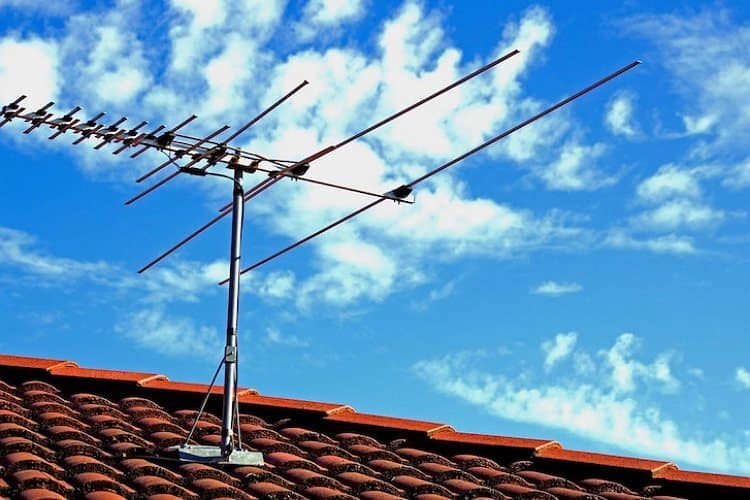
- Outdoor antennas are larger and usually mounted on rooftops. They capture stronger signals and are more reliable for households further from towers.
A technician can help determine which option suits your location best.
Boosting Reception with Signal Amplifiers
In some cases, even the best-positioned antenna needs a little extra help. Signal amplifiers, or boosters, can improve reception by strengthening weak signals. However, they must be installed carefully—too much amplification can actually distort the signal. This is another reason why expert advice is valuable.
Reception for Remote and Suburban Homes
Living further away from the city often means beautiful surroundings but less reliable reception. Homes in these areas may need larger outdoor antennas or even multiple units to capture signals from different directions. In especially tricky spots, combining a rooftop antenna with an amplifier can help bridge the gap.
Creating a Reliable Setup for the Long Term
A good antenna system should last for years, but maintenance matters. Regularly check for:
- Weather damage to outdoor antennas
- Corrosion on connectors and cables
- Shifts in placement due to strong winds
- Wear and tear on mounting brackets
Staying proactive helps prevent small issues from becoming major disruptions.
Why Reliable Reception Matters More Than Ever
Today’s homes rely on strong reception for more than just television. Free-to-air channels remain a cost-effective way to access news, live sports, and entertainment. Reliable reception also supports hybrid viewing setups where households mix broadcast TV with streaming services. Without a strong signal, you may find yourself missing out on key content or relying too heavily on internet streaming, which can be costly and data-heavy.
Wrapping Up
Getting reliable reception at home doesn’t need to be a guessing game. By understanding common issues, trying simple fixes, and knowing when to call in professional help, you can enjoy a smooth, uninterrupted viewing experience. With the right setup in place, your home can go from rooftop to remote without missing a moment of the shows, news, and live events that keep you connected.