 It’s easy to think of an old washing machine or a rusted car part as nothing more than junk. They sit in the garage, taking up space, and eventually end up at the curb for collection. But what many people don’t realize is that these discarded items still have plenty of value. In fact, much of what we call “waste” can be repurposed, recycled, and transformed into something useful again — which is why services like scrap metal Sydney collection play such a vital role in giving old materials a second life.
The Hidden Value in Everyday Items
Take a closer look at your household appliances or that pile of car parts, and you’ll notice a common thread: most of them are made from valuable metals. Steel, aluminium, copper, and brass are commonly found in everyday objects and can be extracted, melted down, and reused.
This process does more than just keep clutter out of your garage. Recycling metals reduces the need for mining new materials, saving energy and cutting down on environmental damage. It also helps manufacturers keep costs lower, since recycled metals are cheaper to process than extracting fresh ones.
Appliances That Keep Working Long After They Break
Even if your fridge has stopped cooling or your washing machine no longer spins, the materials inside are far from useless.
- Fridges and freezers contain copper tubing and aluminium components.
- Washing machines have large amounts of steel in their drums and frames.
- Microwaves and ovens hold a mix of steel and smaller valuable parts.
Instead of heading straight to landfill, these metals can be pulled out and sent back into circulation, where they’ll be used to create new products — possibly even another appliance.
Car Parts With a Second Life
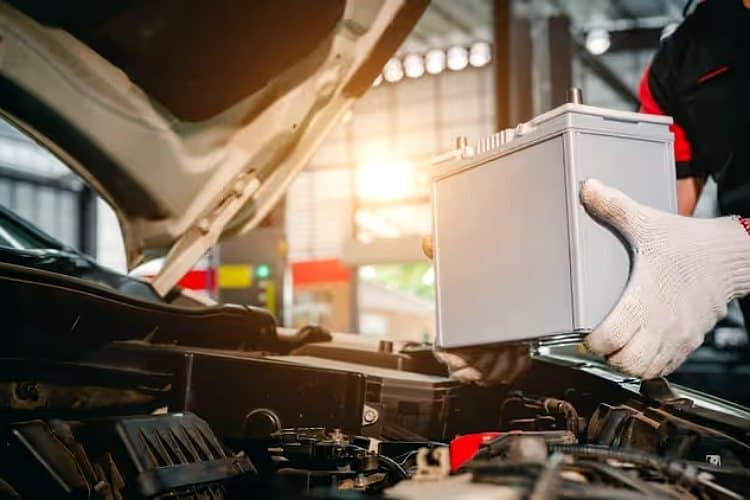
Vehicles are another big source of recyclable metal. Engines, doors, panels, and even wheels can all be stripped down for parts and raw material. Tyres can be repurposed into playground surfaces or road materials, while batteries can be safely dismantled to extract lead and other components.
In fact, cars are among the most recycled consumer products in the world. With around 80–90% of a vehicle’s materials being recyclable, what seems like a pile of junk in your driveway could actually be the starting point for thousands of other products.
Why Recycling Beats Dumping
Throwing old items in landfill might feel like the easiest option, but it comes with long-term costs. Metals take decades — sometimes centuries — to break down, releasing toxins into the soil and water in the meantime. Recycling, on the other hand, keeps those same metals in use indefinitely, since they can be melted and reshaped without losing quality.
This makes metal one of the most sustainable materials we have. The same piece of steel or aluminium could, in theory, be recycled endlessly, shifting from car parts to building materials to home appliances over generations.
How You Can Do Your Part
You don’t have to run a recycling facility to make an impact. Everyday steps add up:
- Sort your waste: Keep scrap metal separate from general rubbish so it can be easily collected.
- Use local services: Many recycling centres and scrap yards will pick up larger appliances and car parts for free or even pay you for the metal.
- Think before dumping: Ask yourself whether an item has recyclable parts before sending it to landfill.
By treating old appliances and parts as resources instead of rubbish, you’ll be reducing waste and contributing to a more sustainable cycle.
More Than Just “Scrap”
That dented washing machine or pile of rusty brake discs isn’t the end of the story. With the right handling, these materials continue to play an important role in everything from manufacturing to construction. Recycling helps conserve natural resources, reduces environmental impact, and ensures that the things we no longer need still serve a purpose.
Next time you’re clearing out the garage or replacing an appliance, remember: what looks like waste is often the beginning of something useful all over again.